马上注册,精彩即将继续...
您需要 登录 才可以下载或查看,没有帐号?立即注册
x
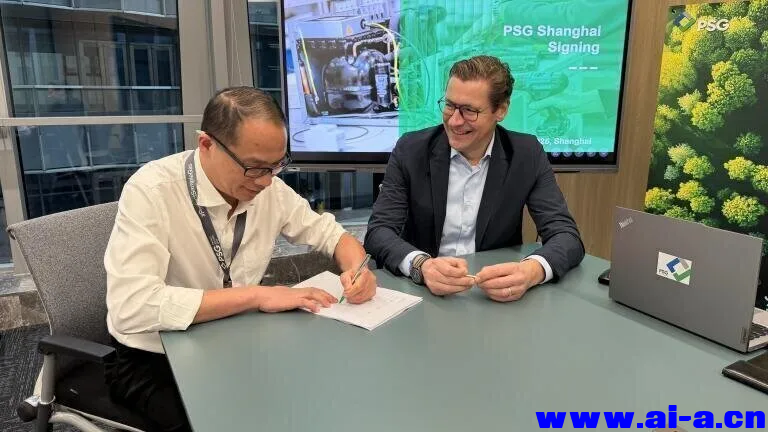
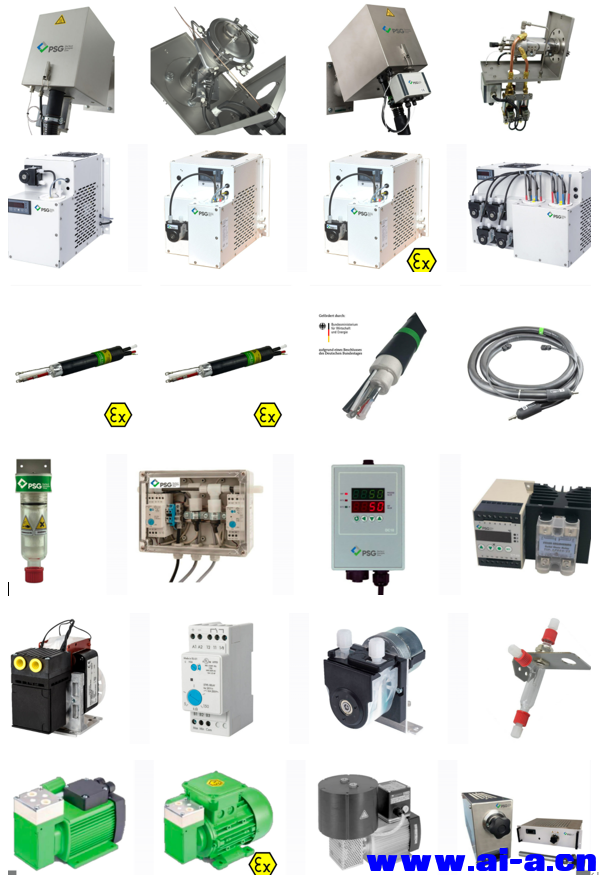
While much of the global conversation today seems to focus on protectionism and drawing up barriers, it is encouraging to see examples of companies taking a different approach. In process analytics, collaboration has always mattered. Standards, safety frameworks, and technological advances rarely develop in isolation; they grow through shared experience across borders and industries. Perfect Sample Gas (PSG) is actively pursuing that approach. 虽然当今全球的讨论似乎大多集中在保护主义和设置壁垒上,但看到一些公司采取不同的方法仍让人感到鼓舞。在过程分析领域,合作一直是关键。标准、安全框架和技术进步很少是孤立发展的;它们是在跨境和跨行业的共享经验中成长的。Perfect Sample Gas(PSG)正在积极采用这种方法。 The company has been expanding internationally for some time, but the establishment of PSG Shanghai represents a more decisive step. Rather than serving the Chinese market remotely, PSG is creating a direct presence on the ground. The move is being led by Michael Wu, a process analytical technology specialist whose career has included senior roles with Bayer and Covestro, alongside professional engagement with BASF. His experience in multinational chemical environments, combined with a strong understanding of the Chinese market, provides practical continuity beyond a symbolic expansion. 这家公司已经在国际上扩展了一段时间,而PSG上海代表处的成立则标志着一个更果断的步骤。PSG不是远程服务中国市场,而是在本地建立直接存在。这一举措由过程分析技术专家Michael Wu领导,他的职业经历包括在拜耳和科思创担任高级职位,并与巴斯夫有专业合作。他在跨国化工环境中的经验,加上对中国市场的深刻理解,为这一扩张提供了实际的连续性,而不仅仅是象征性的。 PSG在上海开设新的代表处 China occupies a pivotal position in the global chemicals and petrochemicals sector. It represents not only vast production capacity, but also an increasingly sophisticated approach to emission monitoring and environmental performance. The pace of technological development is striking, and expectations around efficiency, reliability, and compliance are rising just as quickly. For a company focused on gas sample conditioning and analytical performance, being close to this environment is more than a commercial convenience; it offers exposure to fast-moving projects and emerging standards that are likely to influence global practice. 中国在全球化工和石化行业中处于关键地位。它不仅代表着巨大的生产能力,还在排放监测和环境绩效方面展现出越来越成熟的方式。技术发展的速度令人瞩目,效率、可靠性和合规性的期望也在迅速提高。对于一家专注于气体样品调理和分析性能的公司来说,靠近这样的环境不仅是商业上的便利;这也意味着有机会参与快速推进的项目和可能影响全球规范的新兴标准。 Establishing a base in Shanghai is therefore more than a geographic move; it is a practical response to where industrial momentum is happening. Being closer to customers and engineering teams shortens response times, improves technical dialogue, and makes knowledge transfer more immediate. It also allows collaboration to go beyond distribution agreements, opening the door to joint projects and shared technological development. 因此,在上海建立基地不仅仅是地理上的变动;它是对工业发展趋势的实际响应。更接近客户和工程团队可以缩短响应时间、改善技术交流,并使知识转移更为直接。它还使合作超越了单纯的分销协议,为联合项目和共享技术发展打开了大门。 There is a broader lesson for the engineering and analytical community. Internationalisation, when approached thoughtfully, is not simply about exporting products. It is about participating in a wider technical ecosystem. As environmental regulation tightens and process optimisation becomes ever more data-driven, the exchange of experience across markets becomes a competitive advantage in itself. 对工程和分析社区来说,这也有更广泛的启示。假如国际化方法得当,它不仅仅是出口产品,而是参与更广泛的技术生态系统。随着环境法规收紧和过程优化越来越依赖数据,跨市场的经验交流本身就成为一种竞争优势。 PSG主要产品 PSG’s mission — to develop precise and reliable sample conditioning solutions for gas analysis — remains unchanged. What has evolved is the recognition that delivering that mission globally requires presence where innovation and industrial growth are most active. In this sense, the Shanghai initiative reflects an understanding that sustainable progress in process analytics depends on collaboration that is genuinely international. PSG的使命——开发精确可靠的气体样品调理解决方案——没有改变。变化的是认识到,要在全球范围内实现这一使命,就需要出现在创新和工业增长最活跃的地方。从这个意义上说,上海计划反映了这样一种理解:过程分析的可持续进步依赖真正国际化的合作。
| 
 发新帖
发新帖

 窥视卡
窥视卡 雷达卡
雷达卡

 发表于 2026-8-9 18:08:21
 提升卡
提升卡 置顶卡
置顶卡 沉默卡
沉默卡 喧嚣卡
喧嚣卡 变色卡
变色卡 千斤顶
千斤顶 照妖镜
照妖镜